
December 24 & 25 closure notice

50 Years Later: Where’s Boston?

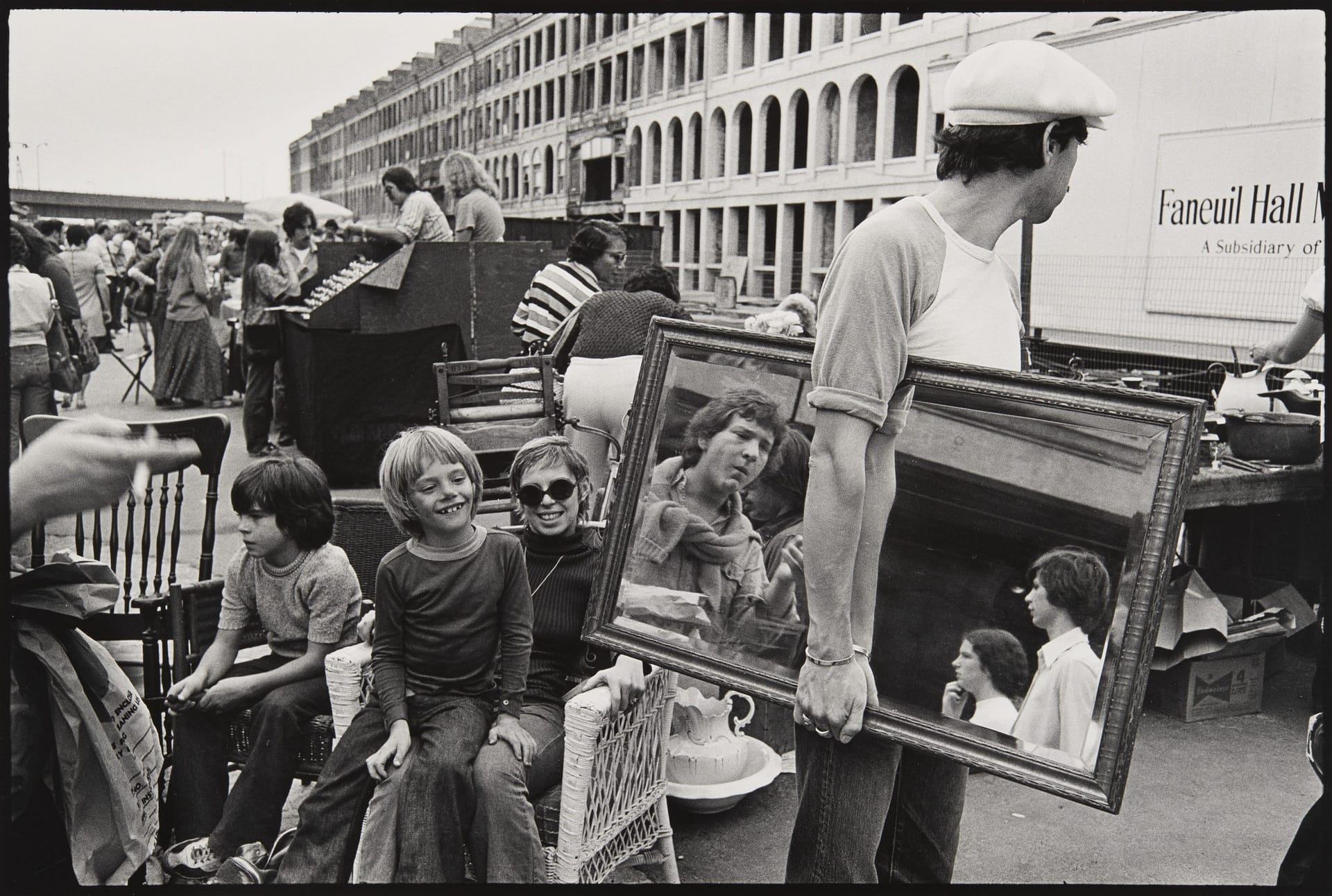
Sunday morning flea market, Faneuil Hall

High school football game, White Stadium

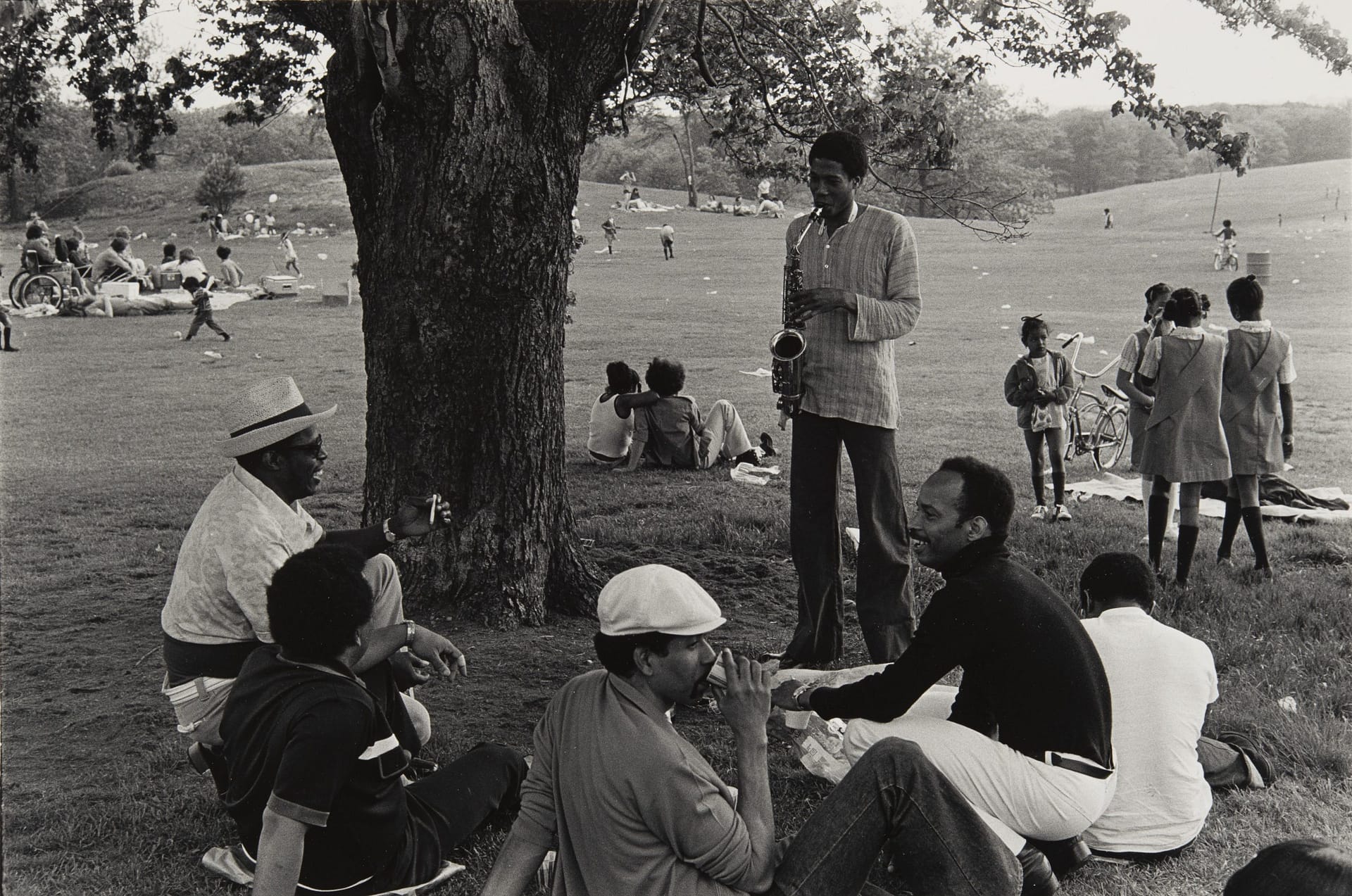
Sunday afternoon gathering of friends, Franklin Park

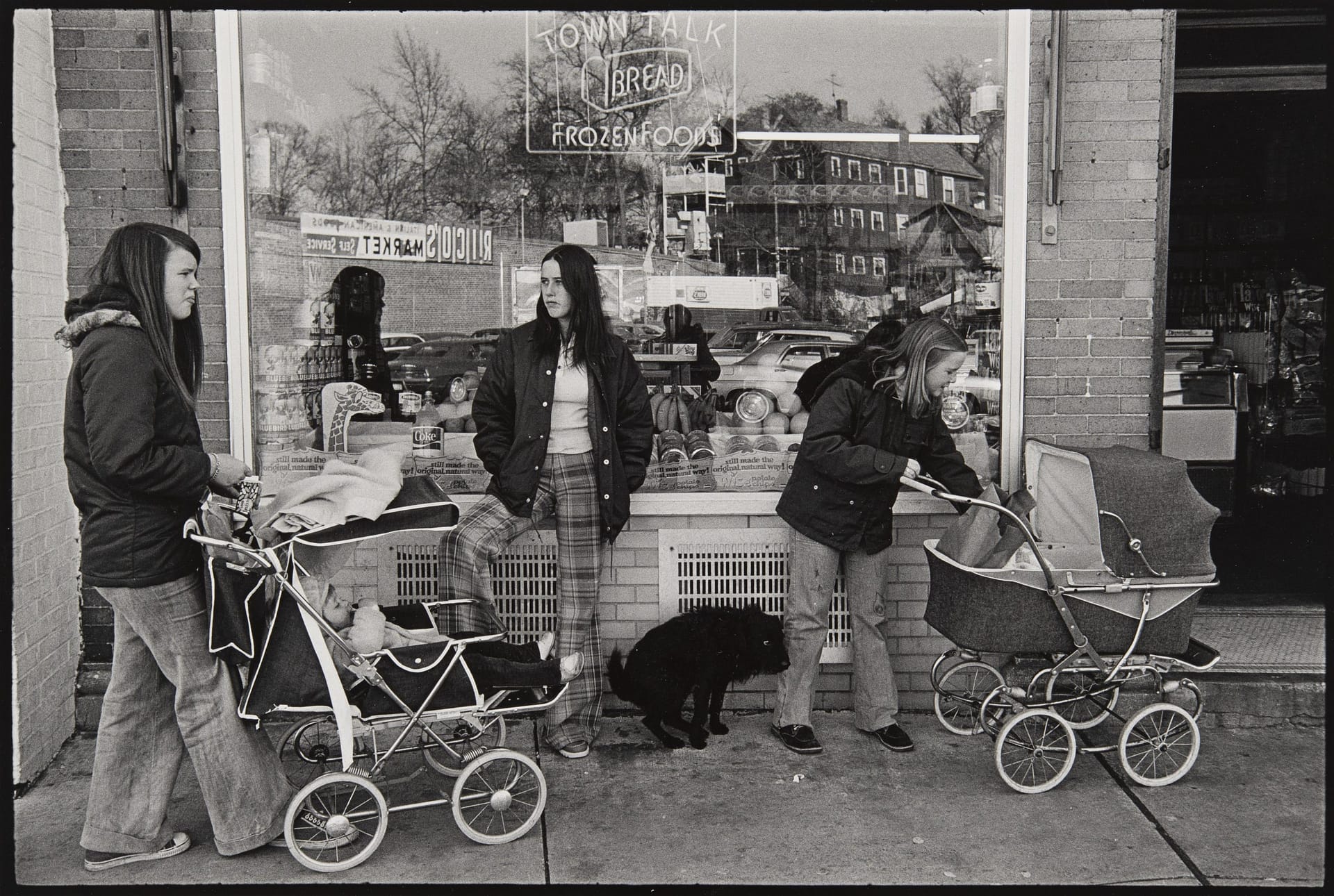
Girls with baby carriages at neighborhood grocery, Mattapan

Demonstrator in front of City Hall, Government Center

Opening June 15, 2026 in the Norma Jean Calderwood Gallery

In 1974, photographer Constantine Manos (1934-2025) spent nine months documenting Boston’s streets, capturing a vivid portrait of the city and its people. From Boston Common to Franklin Park, his images reflect the city’s energy, cultural diversity, and evolving identity. Originally commissioned for the Where’s Boston? Bicentennial exhibition, the photographs highlight both public gatherings and private moments—protests, parades, flea markets, diners, and games—offering a dynamic snapshot of urban life.

Through scenes of celebration, tension, and daily life, the photographs explore the complex intersections of community, race, and access in Boston, presenting a powerful, nuanced document of a city both in motion and in reflection. Manos’ work raises enduring questions: Who are Bostonians? What defines the city? How have spaces, identities, and divisions changed—or remained the same—over fifty years?

Help us identify Manos’ Photographs

This project invites the community to help bring these photographs to life. We are seeking to connect with people/families who appear in the photographs—or who lived in the neighborhoods and communities that Manos documented. Were you, or a member of your family, part of a moment, a movement, or a neighborhood captured in his lens? Whether you recognize someone, remember an event, or simply want to share your experience of Boston in the 1970s, your story matters. We are collecting identifications, personal stories, and oral histories to accompany the exhibition and become part of our growing digital archive.

View Manos’ photos and share your insights with us.

In the News

Ekua Holmes: A Place to Grow

On view October 15, 2025 – January 24, 2026

In 2022 Roxbury-based artist Ekua Holmes created a mural for the Boston Athenaeum’s children’s library. On view in the alcove gallery are the original collages from this commission. Inspired by the Athenaeum’s historic and contemporary collection, Holmes’s collages show the dynamic and colorful lives of Boston’s children, surrounded by the skyline, neighborhood spaces, and the Charles River. Holmes creates her distinctive artistic language through layering diverse materials such as historic maps, newsprint, pages of books, and even a ticketstub. With a deep sensitivity to the interior worlds of children, Holmes portrays them engaged in moments of joy and focus—reading, studying, running, biking, and jumping rope.

Long inspired by the work of Allan Rohan Crite–a friend of the artist–Holmes’s work reveals a similar dedication to visual storytelling. Her collages express the multi-dimensional lives and close-knit communities of children through the literal layering of cut paper, crafting a vibrant and textured world that honors the everyday experiences of Boston’s youth.

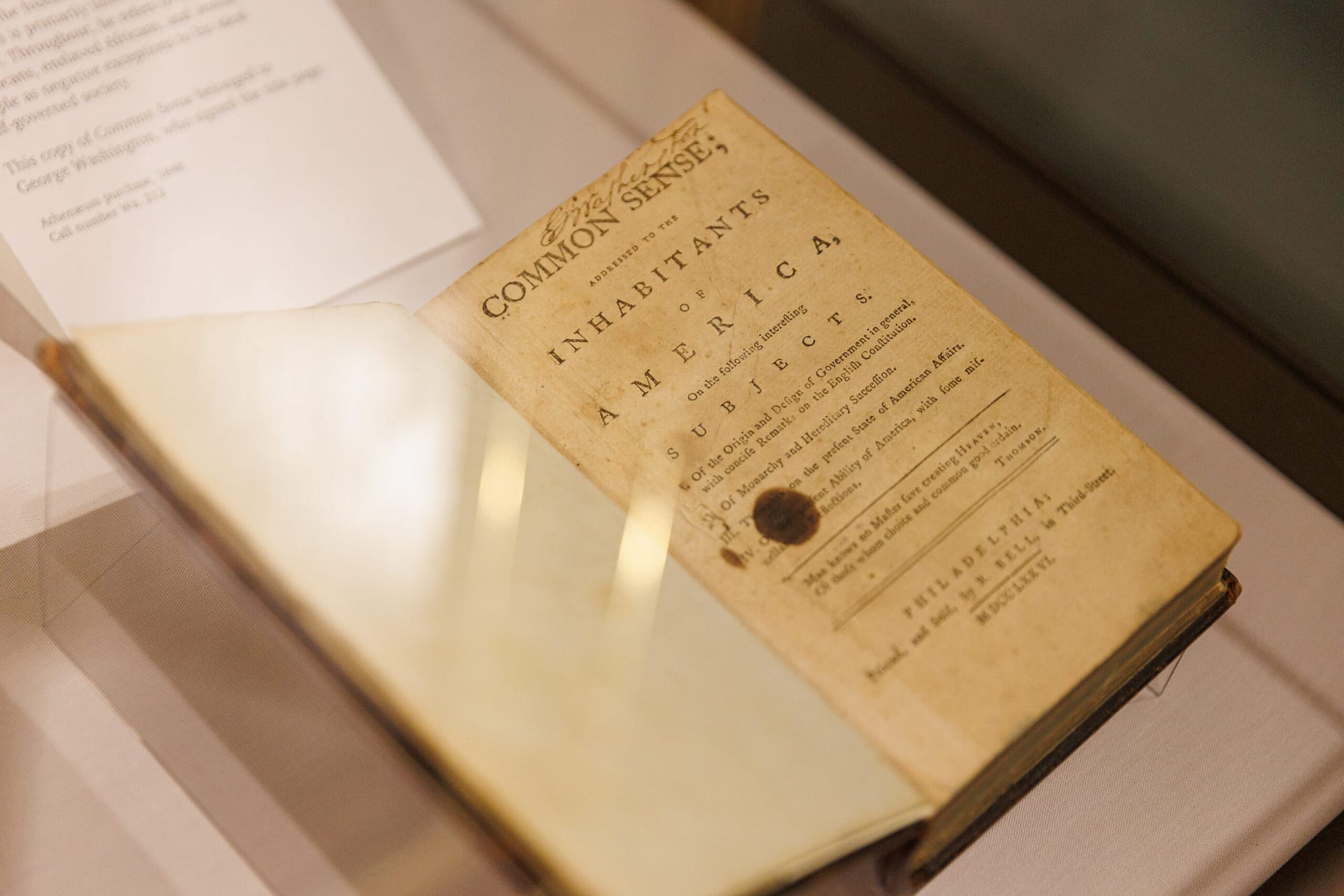
Re-Reading Special Collections at the Boston Athenaeum

Ongoing installation beginning November 15, 2022

Re-Reading Special Collections at the Boston Athenaeum encompasses several permanent collection installations in our historic building, ranging from a long-term reinstallation of paintings and sculpture to short-term, focused exhibitions of light-sensitive items.

Re-Reading Special Collections reinterprets our National Historic Landmark building’s publicly-accessible first floor to reflect a more expansive view of American art and history across a range of media. The reinstallation focuses on the Henry Long Room, a large multi-functional area used as a permanent collection gallery, lecture hall, event space, and starting point for tours. By deploying archive-driven historical research and theoretically-informed interpretive frameworks, Re-Reading presents collections items with a critical eye toward the past. Showcasing a diverse array of rare books, works on paper, paintings, and sculptures, the installation brings a fresh perspective to lesser-known and beloved materials alike. This project was made possible by a Re-envisioning Permanent Collections Grant from the Terra Foundation for American Art.