

Where’s Boston? 50 Years Later
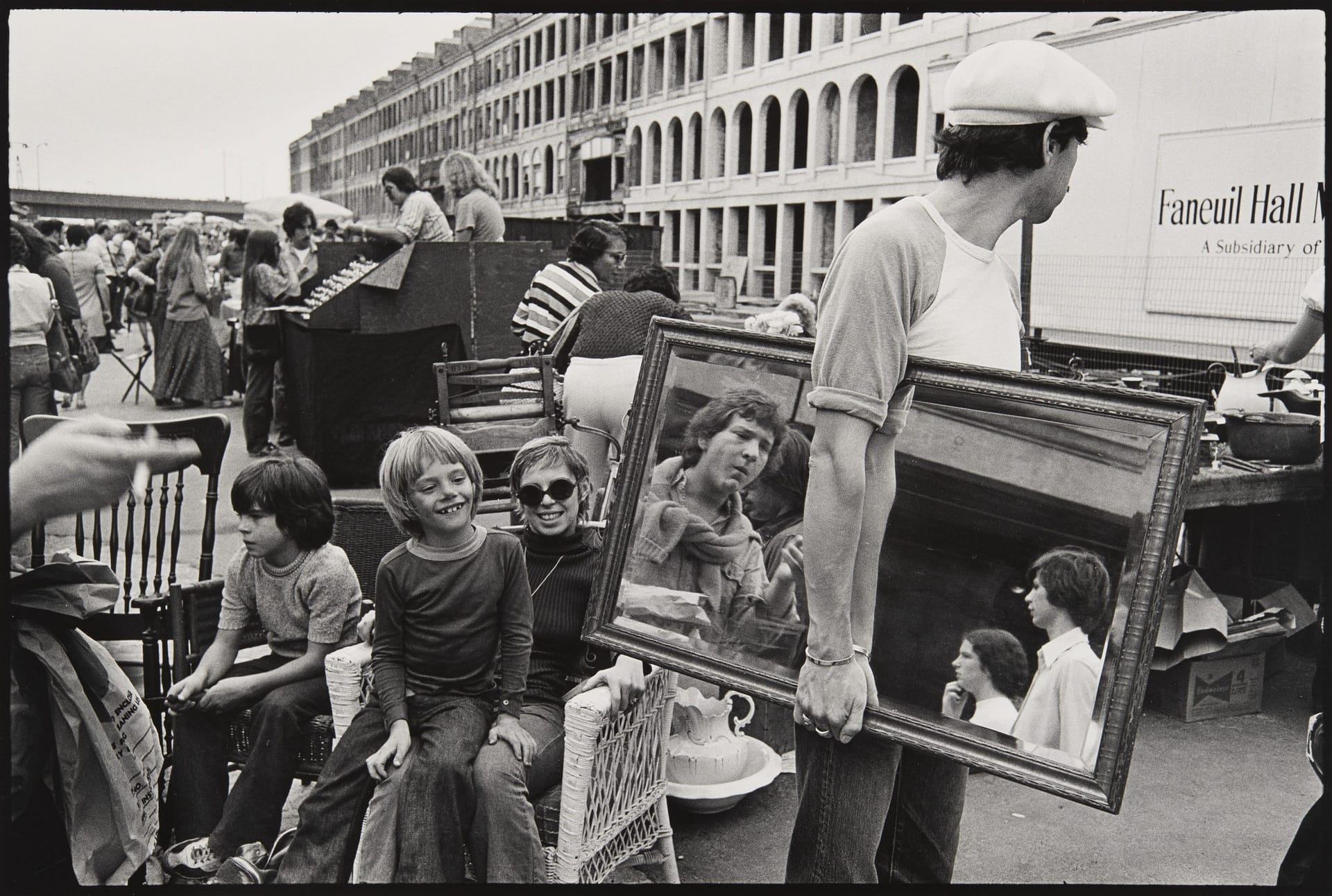

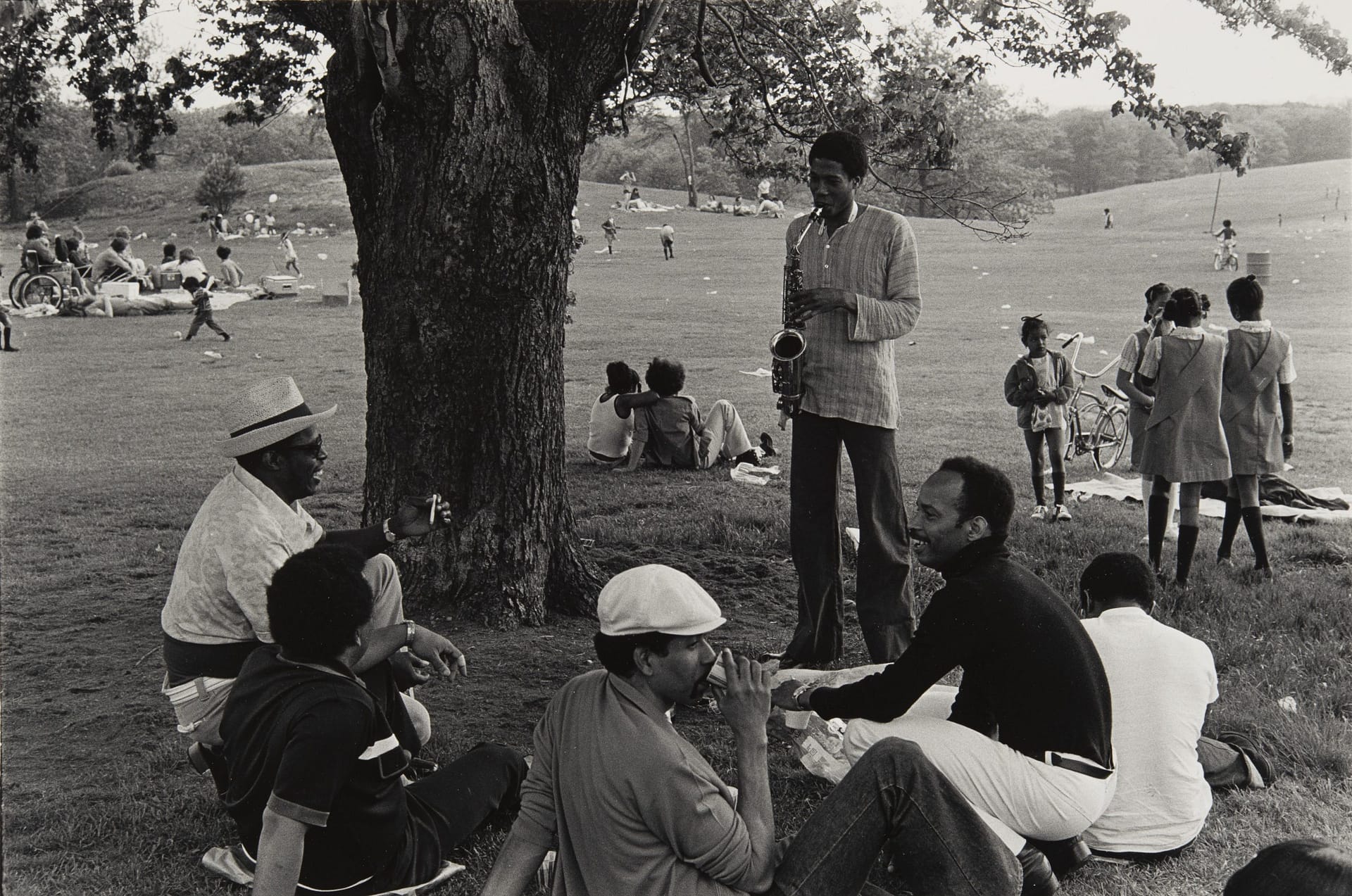
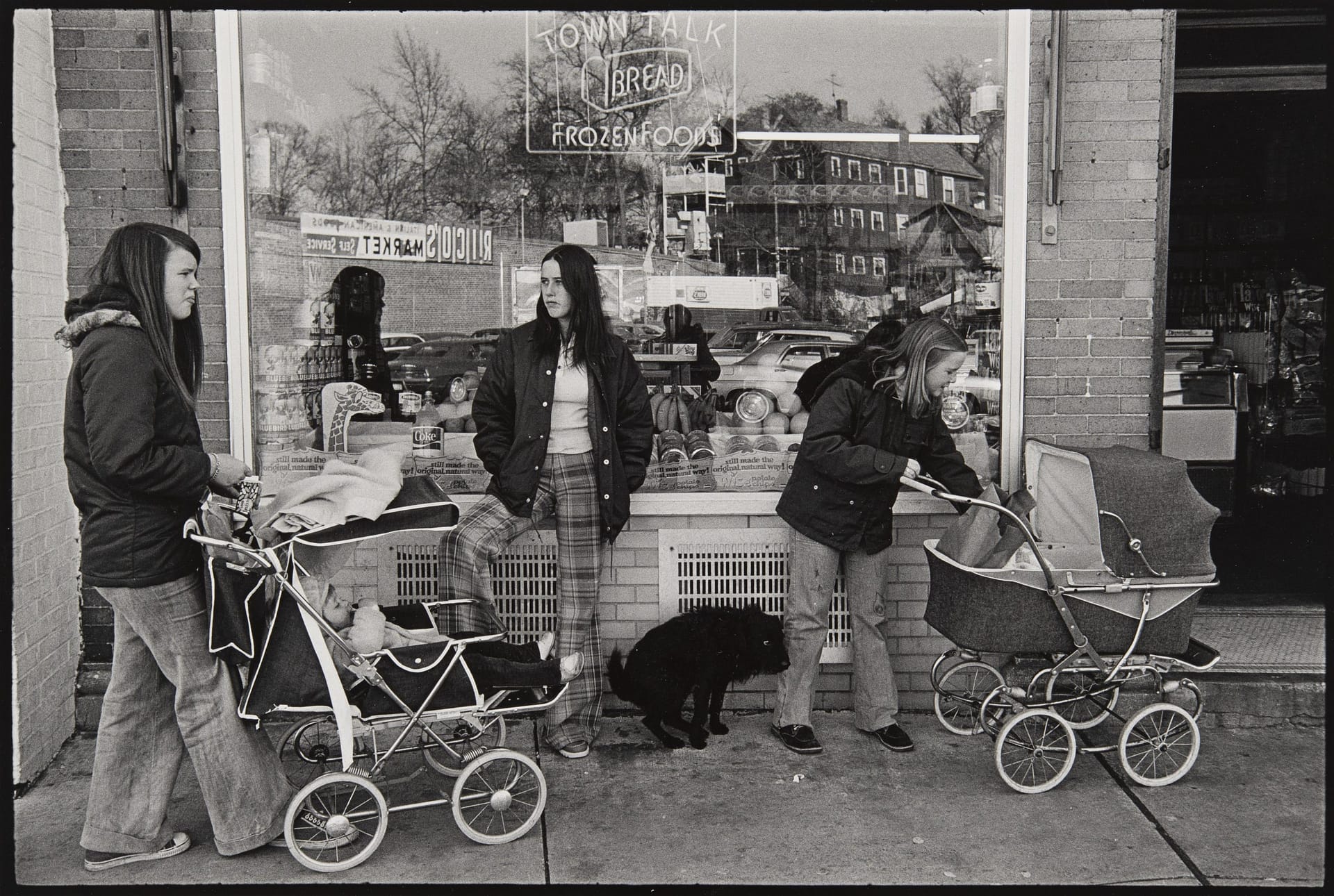

On view June 16 – December 12, 2026 in the Norma Jean Calderwood Gallery
In 1974, photographer Constantine Manos (1934-2025) spent nine months documenting Boston’s streets, capturing a vivid portrait of the city and its people. From Boston Common to Franklin Park, his images reflect the city’s energy, cultural diversity, and evolving identity. Originally commissioned for the Where’s Boston? Bicentennial exhibition, the photographs highlight both public gatherings and private moments—protests, parades, flea markets, diners, and games—offering a dynamic snapshot of urban life.
Through scenes of celebration, tension, and daily life, the photographs explore the complex intersections of community, race, and access in Boston, presenting a powerful, nuanced document of a city both in motion and in reflection. Manos’ work raises enduring questions: Who are Bostonians? What defines the city? How have spaces, identities, and divisions changed—or remained the same—over fifty years?
Visit the Exhibition
Access to this exhibition is included with first-floor admission. Athenaeum Members enjoy free admission to all exhibitions year-round.
In the News
-
- WBUR, August 14, 2025: “Boston Athenaeum’s quest to ID vintage photos”
- Bay State Banner, August 13, 2025: “Where’s Boston now?”
- WHDH, August 16, 2025: “Boston Athenaeum looking to identify subjects of ‘Where’s Boston’ photo exhibit”
- Boston Art Review, May 20, 2026: “The Boston Athenaeum Brings Constantine Manos’s 1970s Photo Archive Back into Focus“
- Boston Globe, June 21, 2026: “With Where’s Boston? 50 Years Later, the Athenaeum looks at a city looking at itself.“
- WHDH, June 27, 2026: “Beyond the frame: Where’s Boston? revisited through new oral histories“
- The Arts Fuse, July 6, 2026: “Visual Arts Review: Where’s Boston? 50 Years Later — A City in Focus“

Constantine Manos: Bostonians
Revisiting the late Magnum photographer’s iconic portrait of a city on the brink of seismic change, with fresh contextual essays and oral histories with notable Bostonians. Available for purchase at the Athenaeum gift shop.

Explore the Digital Guide
Hear directly from people and families who appeared in the photographs—or who lived in the neighborhoods and communities that Manos documented.

Exhibition Programming
Dive deeper into the stories behind the exhibition. Join us for sessions with curators, photographers, and the people who watched these photos come together 50 years ago.